
What Happens to Blood Sugar After You Eat?
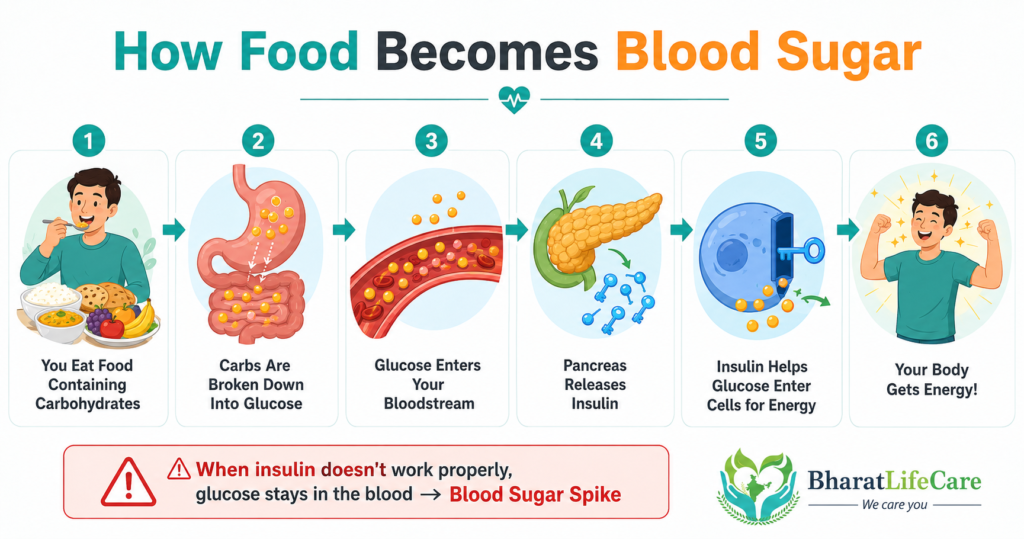
When you eat food — especially foods that contain carbohydrates like rice, bread, fruits, or sweets — your body breaks them down into a simple sugar called glucose. This glucose enters your bloodstream and gives your body the energy it needs to function.
To move this glucose from your blood into your cells, your body uses a hormone called insulin, which is made by the pancreas. In a healthy person, insulin works quickly and efficiently to bring blood sugar levels (also called postprandial glucose levels) back to normal within a couple of hours.
But when this process doesn’t work properly — either because your body doesn’t make enough insulin or your cells don’t respond well to it (insulin resistance) — glucose stays in your blood for longer. This results in a blood sugar spike (also called postprandial hyperglycaemia), which over time can lead to serious health problems including Type 2 diabetes, heart disease, and nerve damage.
Understanding what is normal and what is not is the first step in protecting your health. Let’s look at the numbers.
Normal Blood Sugar Levels After Eating (By Age Group)
Your blood sugar will naturally rise after a meal — that’s completely normal. The important thing is how high it goes and how quickly it comes back down.
1 The American Diabetes Association (ADA) provides guidelines for optimal blood sugar ranges after eating: for adults under 50 years, blood sugar should remain below 140 mg/dL two hours after a meal.
Here’s a detailed breakdown by group:
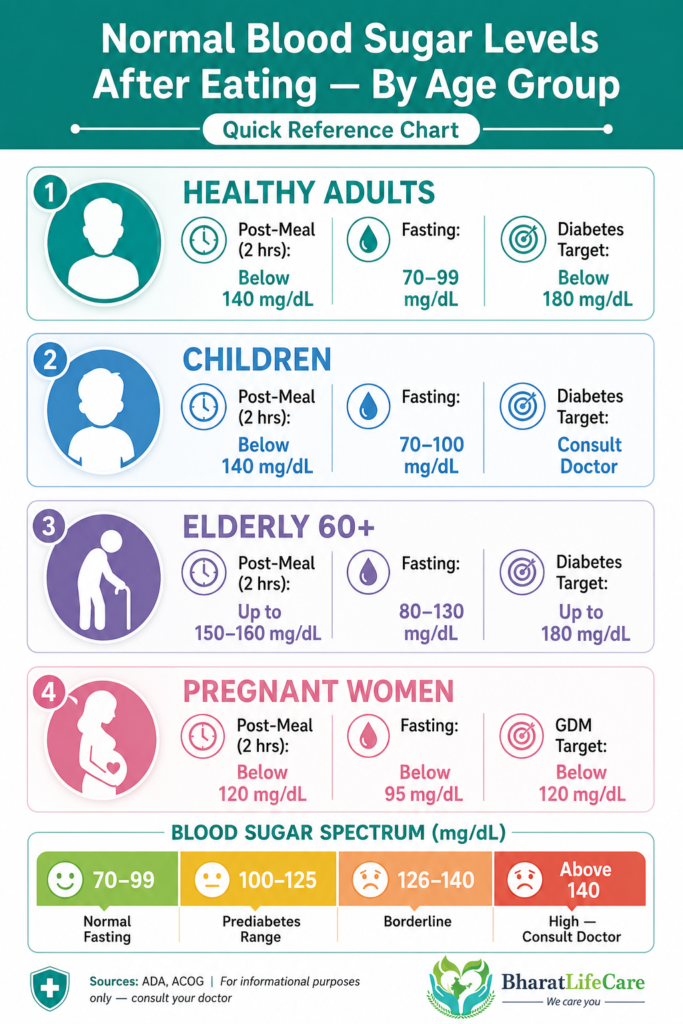
📊 Blood Sugar Levels After Eating — Quick Reference Chart
| Group | Normal Post-Meal Level (2 hrs after eating) | Diabetes Target | Fasting (Before Meal) |
| Healthy Adults | Below 140 mg/dL | Below 180 mg/dL | 70–99 mg/dL |
| Children | Below 140 mg/dL | Varies (consult doctor) | 70–100 mg/dL |
| Elderly (60+) | Up to 150–160 mg/dL | Up to 180 mg/dL | 80–130 mg/dL |
| Pregnant Women (GDM) | Below 120 mg/dL | Below 120 mg/dL (2-hr) | Below 95 mg/dL |
Sources: American Diabetes Association (ADA), American College of Obstetricians and Gynecologists (ACOG)
Let’s understand each group:
Adults (Under 50 Years)
1 Non-diabetic people typically maintain levels between 70 to 80 mg/dL before meals and up to 140 mg/dL two hours after eating. 1 For those with diabetes, blood sugar levels should stay between 70 to 130 mg/dL before meals and remain under 180 mg/dL after eating. 3 Blood sugar naturally rises after eating and typically peaks within 1 to 2 hours after the start of a meal before returning toward baseline.
If your blood sugar consistently stays above 140 mg/dL after meals, you should speak with your doctor about prediabetes screening.
Adults (50–60 Years)
The target increases slightly with age — adults between 50–60 years should maintain levels below 150 mg/dL. As metabolism slows naturally with age, insulin may not work as efficiently as it once did.
Elderly (Over 60 Years)
In older adults, blood sugar levels may naturally run slightly higher due to reduced insulin sensitivity and changes in metabolism. Post-meal levels up to 160–180 mg/dL may be considered acceptable for some elderly individuals, especially those managing multiple health conditions. However, 3this target may need to be individualised based on age, life expectancy, other health conditions, and hypoglycaemia risk.
Children
For healthy children without diabetes, post-meal blood sugar generally stays below 140 mg/dL. Children tend to metabolise glucose faster due to their higher metabolic rate. For children with Type 1 or Type 2 diabetes, targets vary and should be determined by a paediatric endocrinologist.
Pregnant Women
Blood sugar targets are stricter during pregnancy to protect both mother and baby.
The American College of Obstetricians and Gynecologists (ACOG) recommends the following targets: fasting <90 mg/dL, preprandial <105 mg/dL, 1-h postprandial <130–140 mg/dL, and 2-h postprandial <120 mg/dL. 32 ACOG recommends the following target levels to reduce risk of macrosomia: fasting or preprandial blood glucose values < 95 mg/dL; postprandial blood glucose values < 140 mg/dL at 1 hour and < 120 mg/dL at 2 hours.
Higher readings could indicate gestational diabetes mellitus (GDM), which requires close monitoring and management.
How Quickly Should Blood Sugar Return to Normal?
In healthy individuals, blood sugar should return to its pre-meal range — typically 70 to 99 mg/dL — within 2 to 3 hours after eating. 3The ADA recommends a fasting blood sugar target of 80 to 130 mg/dL (4.4 to 7.2 mmol/L) for most non-pregnant adults with diabetes.
If your blood sugar takes longer than 3 hours to normalise, or if it regularly exceeds the levels in the chart above, this may be a sign that your body isn’t processing glucose effectively.
💡 Pro Tip: Many people who support their blood sugar management naturally use DiaCare Amrit alongside a healthy diet. Its clinically-studied Ayurvedic ingredients like Berberine, Cinnamon, and Fenugreek may help your body process post-meal glucose more efficiently. Learn more below →
What Causes Blood Sugar to Spike After Eating?
Post-meal blood sugar spikes (medically known as postprandial hyperglycaemia) can happen for many reasons. Understanding these causes can help you take control.
1. 🍞 Type of Food (High Glycaemic Index Foods)
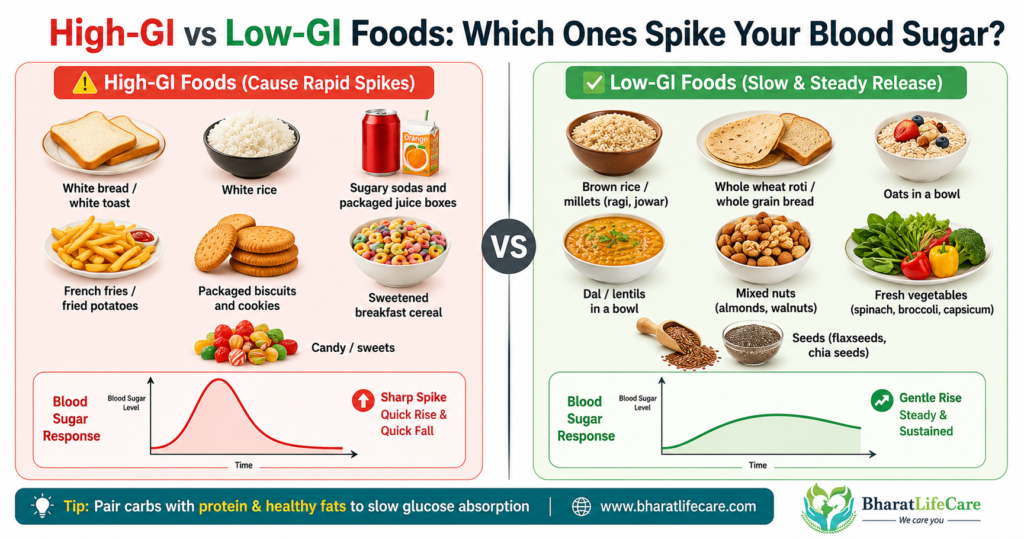
Foods with a high Glycaemic Index (GI) are broken down very quickly into glucose, causing a rapid blood sugar spike. These include:
- White bread and white rice
- Sugary drinks (sodas, packaged juices)
- Packaged snacks and biscuits
- Sweetened cereals
- Potatoes (fried or mashed)
On the other hand, low-GI foods release glucose slowly and keep blood sugar more stable:
- Whole grains (oats, brown rice, millets)
- Pulses and legumes (dal, rajma, chole)
- Non-starchy vegetables (spinach, broccoli, capsicum)
- Nuts and seeds
2. 🍽️ Eating Too Much (Large Portion Sizes)
When you eat a large meal — especially one loaded with carbohydrates — your body has to process a massive amount of glucose all at once. This can overwhelm your insulin response, causing blood sugar to shoot up higher and stay elevated for longer.
Tip: Eating smaller, balanced meals throughout the day helps your body manage glucose more effectively.
3. 🧬 Insulin Resistance
In people with insulin resistance, the body’s cells don’t respond properly to insulin. As a result, glucose stays in the blood instead of being absorbed into cells for energy. This is one of the main drivers of Type 2 diabetes and is commonly associated with:
- Excess weight (especially around the abdomen)
- Sedentary lifestyle
- Polycystic ovary syndrome (PCOS)
- Family history of diabetes
Did you know? 10In clinical studies, Berberine (BBR) — the key ingredient in DiaCare Amrit — significantly lowered fasting blood glucose, hemoglobin A1c, triglyceride, and insulin levels in patients with Type 2 diabetes. The FBG- and hemoglobin A1c-lowering efficacies of BBR were similar to those of metformin and rosiglitazone. (Source: PubMed — PMID: 19800084)
4. 🛋️ Lack of Physical Activity
Exercise helps your muscles absorb glucose from the blood for energy. When you’re sedentary, especially after meals, glucose lingers in your bloodstream for longer.
Even a 10–15 minute walk after eating can make a significant difference in how your body handles post-meal blood sugar.
5. 😰 Stress and Illness
When you’re stressed, your body releases hormones like cortisol and adrenaline. These hormones signal the liver to release stored glucose, raising your blood sugar levels even if you haven’t eaten anything sugary.
Illness, infections, and inflammation can also raise blood sugar levels by increasing insulin resistance temporarily.
6. 💊 Certain Medications
Some medications can raise blood sugar as a side effect, including:
- Corticosteroids (e.g., prednisone)
- Certain diuretics (water pills)
- Some antipsychotic medications
- Beta-blockers
If you’re taking any of these and notice elevated post-meal blood sugar, talk to your doctor about monitoring your glucose levels regularly.
Warning Signs Your Blood Sugar Spikes May Be Abnormal
Occasional blood sugar spikes after a heavy meal are normal. But if you experience any of the following signs regularly, it could indicate a problem like prediabetes, insulin resistance, or undiagnosed Type 2 diabetes:
⚠️ Signs to Watch For:
| Symptom | What It Might Mean |
| Excessive thirst & dry mouth | Your body is trying to flush out excess glucose through urination, leading to dehydration |
| Fatigue or weakness after eating | Your cells aren’t absorbing glucose properly, leaving you low on energy |
| Blurred vision | High blood sugar causes fluid imbalances that temporarily affect the eye lens |
| Increased hunger (even after eating) | Insulin resistance prevents glucose from reaching cells, triggering hunger signals |
| Slow wound healing | Elevated blood sugar impairs immune function and blood circulation |
| Frequent urination (especially at night) | The kidneys work overtime to remove excess glucose from blood |
| Unexplained weight loss or gain | Impaired glucose metabolism can affect how your body stores and uses energy |
| Headaches or difficulty concentrating | Blood sugar fluctuations can affect brain function and mood |
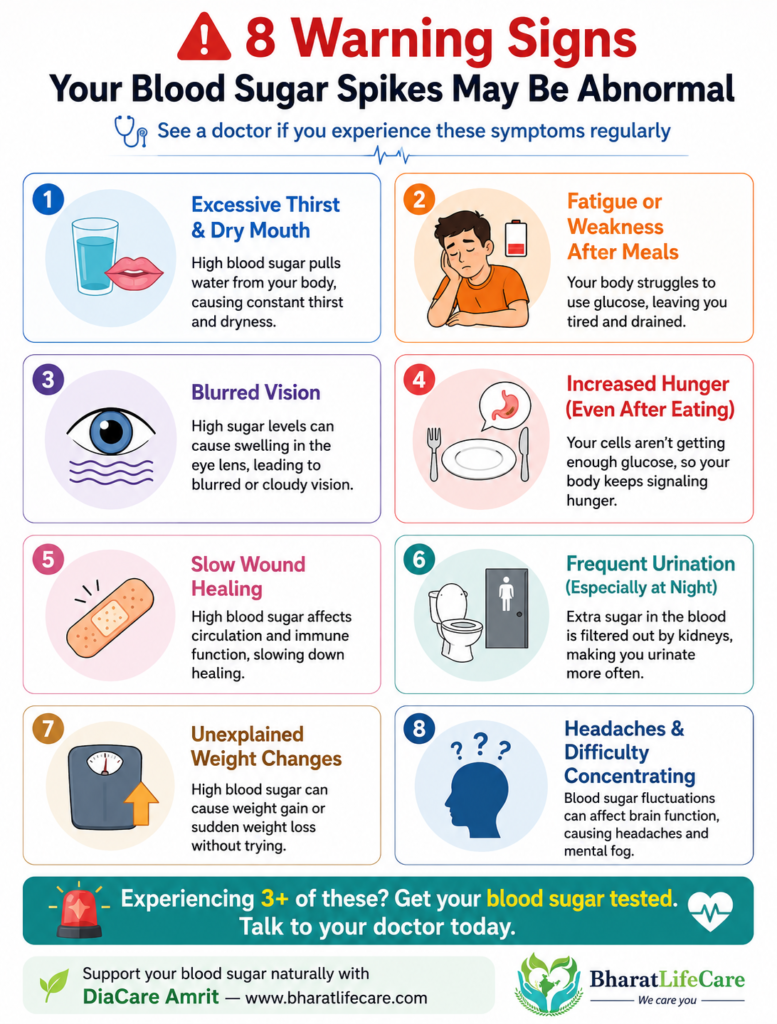
🚨 Important: If you’re experiencing three or more of these symptoms, schedule an appointment with your healthcare provider for a fasting glucose test or HbA1c test as soon as possible.
7 Simple Ways to Manage Blood Sugar After Meals
Managing postprandial blood sugar doesn’t require drastic lifestyle changes. Small, consistent habits can make a big difference over time.
1. Choose Low-Glycaemic Index (GI) Foods
Low-GI foods are digested slowly, which leads to a gradual release of glucose into the blood. Great options include:
- Whole grains: Oats, brown rice, quinoa, millets (ragi, jowar, bajra)
- Pulses & legumes: Moong dal, masoor dal, chickpeas, kidney beans
- Non-starchy vegetables: Spinach, broccoli, capsicum, cauliflower
- Nuts & seeds: Almonds, walnuts, flaxseeds, chia seeds
Avoid or limit: White bread, maida-based products, sugary cereals, packaged juices, and sodas.
2. Control Your Portion Sizes
You don’t have to stop eating the foods you love — just eat them in the right amounts. Large, carb-heavy meals cause bigger glucose spikes. Try:
- Using a smaller plate
- Filling half your plate with vegetables
- Limiting rice or roti to measured portions
- Pausing between bites to let your brain register fullness
3. Pair Carbs with Protein and Healthy Fats
Eating carbohydrates alone causes faster glucose spikes. But when you combine them with protein and healthy fats, digestion slows down and glucose enters the blood more gradually.
Smart combos:
- Roti + dal + vegetables (instead of roti + potato curry)
- Brown rice + grilled chicken/paneer + salad
- Oats + nuts + seeds (instead of sweetened cereal)
- Whole-wheat toast + eggs + avocado
4. Walk for 10–15 Minutes After Meals
One of the simplest and most effective things you can do is take a short walk after eating. Walking helps your muscles absorb glucose from the blood, lowering your post-meal sugar levels naturally.
32 Research has shown improvement with walking 10 to 15 minutes after each meal — a strategy recommended even by ACOG for pregnant women with gestational diabetes.
5. Eat at Consistent Times Every Day
Your body runs on a circadian rhythm — an internal clock that affects hormone release, including insulin. Eating at irregular times, skipping meals, or eating very late at night can disrupt this rhythm and lead to poor blood sugar control.
Tip: Aim for 3 balanced meals and 1–2 small snacks at roughly the same time each day.
6. Stay Well-Hydrated
Water helps your kidneys flush out excess glucose through urine. Dehydration, on the other hand, can concentrate sugar in your blood, making your readings appear higher.
How much? Aim for 8–10 glasses of water per day. Avoid sugary drinks, packaged fruit juices, and excessive caffeine.
7. Track Your Blood Sugar (If Advised)
If you have diabetes, prediabetes, or are at risk, checking your blood sugar 1–2 hours after meals can help you understand how specific foods and habits affect your glucose levels.
Keep a food diary alongside your readings to identify patterns. Share this data with your doctor for personalised guidance.
💡 Looking for extra support? Many people complement their diet and exercise routine with natural supplements. DiaCare Amrit offers clinically-studied Ayurvedic ingredients designed to support post-meal blood sugar management. Read on to learn how it works.
How DiaCare Amrit Supports Healthy Blood Sugar Naturally
While diet and exercise form the foundation of blood sugar management, Ayurvedic wellness solutions can provide additional support. DiaCare Amrit, available at www.bharatlifecare.com, is a thoughtfully formulated herbal tea that brings together the power of ancient Ayurvedic wisdom and modern scientific research.
What Is DiaCare Amrit?
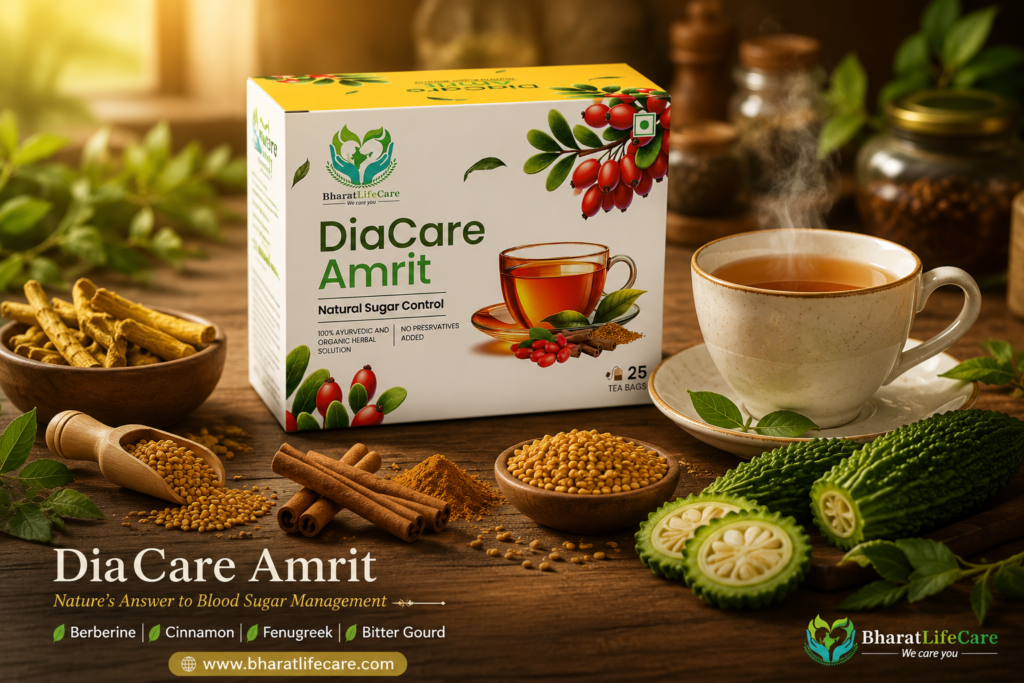
DiaCare Amrit is an Ayurvedic anti-diabetes herbal tea made from a blend of clinically-studied natural ingredients. It comes in convenient tea bags — simply brew and drink as part of your daily routine.
The formulation features Berberis aristata (Daruharidra) as its star ingredient, complemented by Cinnamon, Fenugreek Seeds, and Bitter Gourd (Karela) — all herbs with a long history of use in traditional Indian medicine for metabolic health.
What Does the Science Say About DiaCare Amrit’s Ingredients?
Each key ingredient in DiaCare Amrit is backed by published research:
🔬 Berberine (from Berberis aristata)
Berberine is the primary active compound in Berberis aristata (Daruharidra), and it is one of the most extensively studied natural compounds for blood sugar management.
9 A meta-analysis of twenty-eight studies involving 2,313 Type 2 diabetes patients found that Berberine treatment was associated with significant reductions in fasting plasma glucose, postprandial plasma glucose, and HbA1c compared to control groups.
(Source: PubMed — PMID: 30393248)
13 A larger 2024 meta-analysis of fifty studies involving 4,150 participants confirmed that BBR alone significantly reduced fasting plasma glucose, 2-h postprandial blood glucose, LDL cholesterol, total cholesterol, and triglycerides.
(Source: PubMed — PMID: 39640489)
10 In clinical studies, BBR significantly lowered fasting blood glucose, hemoglobin A1c, triglyceride, and insulin levels. The FBG- and HbA1c-lowering efficacies of BBR were similar to those of metformin and rosiglitazone.
(Source: PubMed — PMID: 19800084)
13 Current evidence suggests that BBR alone or in combination has significant potential for treating Type 2 diabetes mellitus.
🔬 Cinnamon
22 Cinnamon enhances insulin sensitivity, helping cells use glucose more efficiently. This lowers overall blood sugar levels and reduces the risk of insulin resistance. 21 At least three clinical studies have been performed to test the blood sugar lowering and insulin-sensitizing effects of Cinnamon. In one of these studies, different doses (1, 3, or 6 grams) of cinnamon demonstrated improvements in both fasting blood sugar and in LDL cholesterol.
(Source: Diabetes Action Research and Education Foundation)
26 Clinical studies and meta-analyses have supported the notion that consuming cinnamon spice long term can have beneficial effects in individuals with normal glucose homeostasis and varying degrees of glucose intolerance including type 2 diabetes.
(Source: PubMed Central — PMC7859251)
🔬 Fenugreek Seeds (Methi)
20 Three key components of Fenugreek — Diosgenin, 4-hydroxyisoleucine, and the fibre component — have been found to exert beneficial effects on glucose tolerance, insulin function, inflammation, blood lipids, and liver functions.
(Source: SciELO Brazil — Comparative study on Fenugreek and Cinnamon)
27 A multicenter clinical study found that a fenugreek seed extract caused significant reduction in both fasting and post-prandial blood sugar levels, with approximately 83% of subjects showing decreases in fasting plasma sugar.
(Source: PubMed Central — PMC5061863)
24 Research concluded that Fenugreek could be used as adjuvant therapy to anti-diabetic drugs to control blood glucose.
🔬 Bitter Gourd (Karela)
Bitter Gourd (Momordica charantia) has been used for centuries in Ayurvedic and traditional medicine for diabetes management. 23Studies in animal models showed that administration of Momordica charantia extract for 30 days significantly improved fasting blood glucose, glycated hemoglobin, and insulin levels. (Source: MDPI Pharmaceuticals — Role of Fenugreek, Cinnamon, Curcuma longa, Berberine and Momordica charantia in T2DM)
How These Ingredients Work Together in DiaCare Amrit
| Ingredient | How It Helps |
| Berberine (Berberis aristata) | Lowers fasting and post-meal blood sugar; may improve insulin receptor expression |
| Cinnamon | Enhances insulin sensitivity; helps cells absorb glucose efficiently |
| Fenugreek Seeds | Rich in soluble fibre; slows glucose absorption after meals |
| Bitter Gourd (Karela) | Traditional Ayurvedic herb for glucose metabolism support |
When combined, these ingredients create a synergistic effect — they support your body’s natural glucose management from multiple angles: reducing glucose absorption, improving insulin sensitivity, and supporting overall metabolic function.
How to Use DiaCare Amrit
Using DiaCare Amrit is simple:
- Brew one tea bag in a cup of hot water for 5–7 minutes
- Drink twice daily — once in the morning and once before bedtime
- Be consistent — natural ingredients work best when used regularly over time
- Combine with a balanced diet and regular physical activity for optimal results
What DiaCare Amrit Is — And What It Isn’t
✅ A complementary Ayurvedic wellness tea designed to support your blood sugar management journey
✅ Made from 100% natural, clinically-studied ingredients
✅ Safe for daily use (consult your doctor if you’re on diabetes medication)
❌ Not a replacement for prescribed medication
❌ Not an instant cure — it’s a long-term wellness support
📦 Ready to try it? Order DiaCare Amrit today at www.bharatlifecare.com →
When Should You See a Doctor?
While lifestyle changes and natural supplements can go a long way in supporting blood sugar management, there are times when medical attention is essential. Don’t ignore the warning signs.
See a Doctor If You Experience:
- ✅ Feeling unusually tired or sleepy after meals
- ✅ Constantly feeling thirsty or having a dry mouth
- ✅ Peeing more often than usual, especially at night
- ✅ Blurry vision that comes and goes
- ✅ Headaches, irritability, or difficulty concentrating after eating
- ✅ Home blood sugar readings consistently above 140 mg/dL (non-diabetic) or 180 mg/dL (diabetic) after meals
- ✅ Family history of diabetes or prediabetes
- ✅ Existing conditions like PCOS, thyroid disorders, or high blood pressure
- ✅ Unexplained weight gain, especially around the belly
- ✅ Slow wound healing or recurring infections
What Tests Might Your Doctor Recommend?
| Test | What It Measures | Normal Range |
| Fasting Blood Glucose (FBG) | Blood sugar after 8+ hours of fasting | 370 to 99 mg/dL |
| Oral Glucose Tolerance Test (OGTT) | Blood sugar 2 hours after drinking glucose solution | Below 140 mg/dL |
| HbA1c (Glycated Haemoglobin) | Average blood sugar over past 2–3 months | Below 5.7% (normal) |
| Postprandial Blood Sugar | Blood sugar 2 hours after a meal | Below 140 mg/dL |
3 The ADA recommends routine Type 2 diabetes screening starting at age 35, repeated every 3 years if normal. 3 Earlier and more frequent screening is recommended if you have risk factors including obesity, a family history of Type 2 diabetes, a history of gestational diabetes, or being of African American, Latino, or Asian American descent.
Taking action early — through testing, lifestyle adjustments, and supportive natural solutions like DiaCare Amrit — can help prevent complications and put you on the path to better metabolic health.
Frequently Asked Questions (FAQs)
Q1: What is a normal blood sugar level after eating?
3 A normal blood sugar at 2 hours after eating is below 140 mg/dL. Healthy adults have been shown to remain below 140 mg/dL about 95–99% of the time. 4 For patients with diabetes, the ADA recommends levels following meals below 180 mg/dL.
Q2: How long does it take for blood sugar to return to normal after eating?
1 Post-meal sugar levels usually peak within an hour of eating and should return to normal within two hours. In healthy individuals, blood sugar typically returns to its pre-meal range (70–99 mg/dL) within 2–3 hours.
Q3: What foods cause the biggest blood sugar spikes?
Foods with a high Glycaemic Index (GI) cause the fastest spikes. These include white bread, white rice, sugary drinks, packaged snacks, and sweetened cereals. Choosing low-GI alternatives like whole grains, pulses, vegetables, and nuts can help keep blood sugar stable.
Q4: Can walking after meals help lower blood sugar?
Yes! A 10–15 minute walk after eating helps your muscles absorb glucose from the blood. This is one of the most effective and simplest ways to manage post-meal blood sugar.
Q5: Can Ayurvedic herbs help manage blood sugar?
19 Plant-derived nutraceuticals provide therapeutic potential and are widely used in integrative medicine. Research suggests that herbs like Berberine, Cinnamon, and Fenugreek may support blood sugar management. **[DiaCare Amrit](https://www.bharatlifecare.com)** combines these clinically-studied ingredients in a convenient herbal tea format. Always consult your doctor before starting any supplement.
Q6: What is DiaCare Amrit and how does it help with blood sugar?
DiaCare Amrit is an Ayurvedic herbal tea from Bharat Lifecare that contains Berberine (from Berberis aristata), Cinnamon, Fenugreek Seeds, and Bitter Gourd. These ingredients work together to support healthy blood sugar levels by improving insulin sensitivity, slowing glucose absorption, and supporting metabolic function. Brew one tea bag twice daily for best results.
Q7: When should I see a doctor about my blood sugar levels?
See a doctor if you experience frequent thirst, fatigue after meals, blurry vision, frequent urination, unexplained weight changes, or if your home blood sugar readings are consistently above normal ranges. Your doctor may recommend tests like fasting glucose, OGTT, or HbA1c.
Q8: Is DiaCare Amrit safe? Can I take it with my diabetes medication?
DiaCare Amrit is made from 100% natural ingredients. However, if you are currently on diabetes medication, it’s always recommended to consult your healthcare provider before adding any supplement to your routine, to avoid potential interactions or hypoglycaemia.
Final Thoughts
Blood sugar spikes after eating are a normal part of how your body processes food. But when those spikes are too high, too frequent, or take too long to come down, they may signal an underlying issue that needs attention.
By understanding your blood sugar levels, eating the right foods, staying active, and supporting your body with natural solutions like DiaCare Amrit, you can take control of your metabolic health and reduce your risk of complications.
Remember: Small, consistent steps lead to big changes. Start today.
📦 Support your blood sugar management naturally. Order DiaCare Amrit at www.bharatlifecare.com →
Disclaimer: This article is for informational purposes only and does not constitute medical advice. DiaCare Amrit is a complementary Ayurvedic wellness product and should not replace prescribed medications. Always consult your healthcare provider before making changes to your treatment plan or starting any new supplement.
References
- American Diabetes Association. Standards of Care in Diabetes — 2024. Diabetes Care. diabetesjournals.org
- American College of Obstetricians and Gynecologists (ACOG). Practice Bulletin No. 190: Gestational Diabetes Mellitus.
- Liang Y, et al. Effects of berberine on blood glucose in patients with type 2 diabetes mellitus: a systematic literature review and meta-analysis. PubMed. PMID: 30393248.
- Zhang Y, et al. Berberine lowers blood glucose in type 2 diabetes mellitus patients through increasing insulin receptor expression. PubMed. PMID: 19800084.
- Khan A, et al. Cinnamon improves glucose and lipids of people with type 2 diabetes. Diabetes Care. 2003.
- A multicenter clinical study to determine the efficacy of a novel fenugreek seed extract in patients with type 2 diabetes. PubMed Central. PMC5061863.
- UCSF Diabetes Teaching Center. Glucose Goals of Diabetes Treatment. diabetesteachingcenter.ucsf.edu
- Diabetes Self-Management. Blood Sugar Chart: Normal Ranges. diabetesselfmanagement.com