
If you’ve been searching for how to reduce blood sugar naturally, you’re not alone. Millions of Indians are grappling with prediabetes, type 2 diabetes, or high fasting sugar — often discovered during a routine checkup. The good news: decades of clinical research, along with updated 2026 guidelines from the American Diabetes Association (ADA), confirm that lifestyle changes remain the single most powerful tool for managing blood sugar, and several Ayurvedic herbs have measurable, research-backed effects that can complement — never replace — medical care.
This guide brings together the latest peer-reviewed evidence from the ADA, International Diabetes Federation (IDF), PubMed, and journals like Diabetes Care and Frontiers in Pharmacology, to help you understand:
- What actually causes blood sugar to rise
- Why it spikes after meals
- Which lifestyle habits are proven to help
- What the science really says about berberine, cinnamon, fenugreek, neem, amla, and bitter gourd
- How an Ayurvedic herbal tea like DiaCare Amrit fits into a responsible, doctor-guided blood sugar management plan
Medical Disclaimer: This article is for educational purposes only. It does not replace professional medical advice. Always consult your doctor before changing your diabetes management plan.
Latest Diabetes Statistics (2026)
Understanding the scale of the problem helps explain why natural, sustainable blood sugar management matters more than ever. 589 million adults (20-79 years) are living with diabetes – 1 in 9. This number is predicted to rise to 853 million by 2050. Diabetes was responsible for 3.4 million deaths in 2024 – 1 every 9 seconds, and caused at least USD 1 trillion dollars in health expenditure. According to the IDF’s 11th edition Diabetes Atlas, in 2024, diabetes affected 11.11% of the global adult population, corresponding to 589 million adults, and is projected to affect 12.96% and 853 million people aged 20-79 years by 2050.
India’s Diabetes Burden:
- As of 2024, India accounts for 1 in every 7 adults living with diabetes globally, with an estimated 89.8 million adults (aged 20–79 years) diagnosed, ranking second only to China in absolute numbers.
- Projections for India indicate a 75% increase in the number of people living with diabetes by 2050, reaching 156.7 million.
- The age-standardized prevalence of diabetes in Indian adults aged 20–79 years stands at 10.5% in 2024 and is projected to rise to 12.8% by 2050.
- Alarmingly, nearly 43.0% of people with diabetes in India, approximately 38.6 million individuals, remain undiagnosed.
Key Takeaway Box:
India has the world’s second-highest number of diabetes cases, and nearly half go undiagnosed. Early detection and natural, sustainable blood sugar habits are critical at every stage — from prediabetes to established type 2 diabetes.
What Causes Blood Sugar to Rise
Blood sugar (glucose) rises when the body cannot efficiently move glucose from the bloodstream into cells for energy. Common contributing factors include:
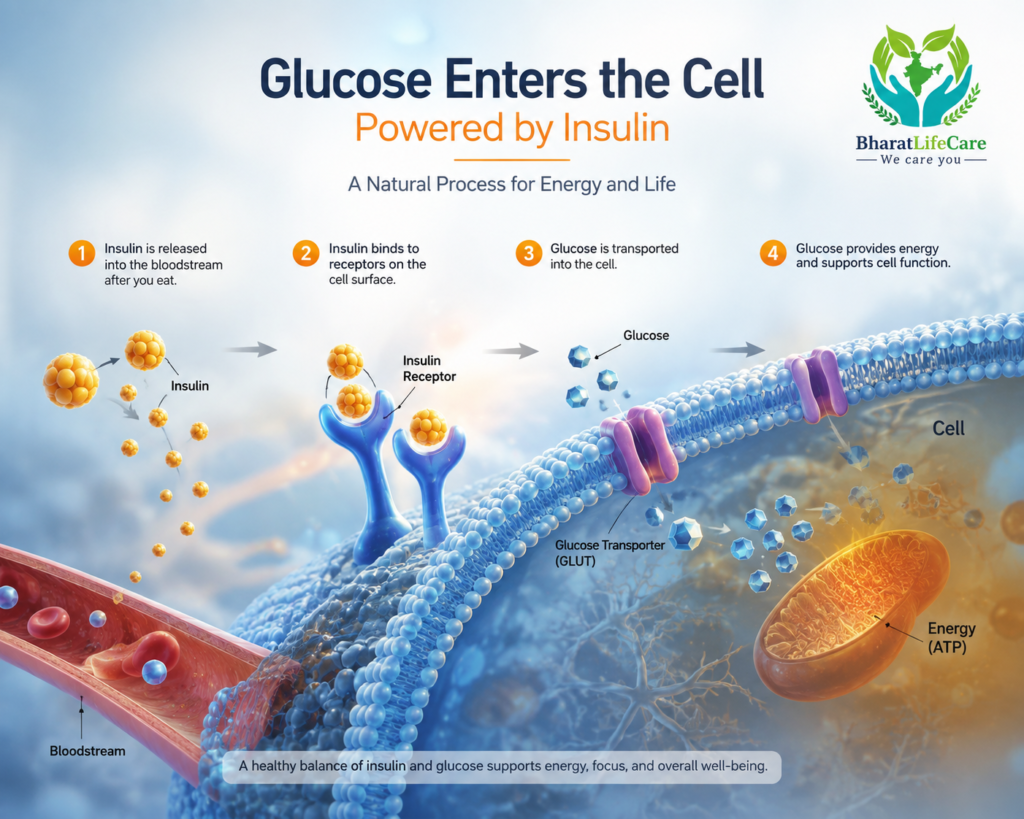
- Insulin resistance – cells stop responding efficiently to insulin
- Excess refined carbohydrates and sugar – rapid glucose absorption
- Physical inactivity – reduced muscle glucose uptake
- Poor sleep – disrupts insulin sensitivity and hunger hormones
- Chronic stress – raises cortisol, which increases glucose production
- Genetics and family history
- Excess visceral fat, especially around the abdomen
- Certain medications and hormonal conditions
Early Symptoms of High Blood Sugar
| Symptom | Why It Happens |
|---|---|
| Frequent urination | Kidneys try to flush excess glucose |
| Excessive thirst | Fluid loss from frequent urination |
| Fatigue | Cells aren’t getting enough usable glucose |
| Blurred vision | High glucose affects the eye lens |
| Slow-healing wounds | High glucose impairs circulation and immunity |
| Increased hunger | Cells are “starved” despite high blood glucose |
| Unexplained weight loss | Body breaks down fat/muscle for energy |
| Tingling in hands/feet | Early nerve involvement (neuropathy) |
| Frequent infections | High glucose weakens immune response |
| Darkened skin patches (neck/armpits) | Sign of insulin resistance (acanthosis nigricans) |
Featured Snippet Answer: High blood sugar symptoms include frequent urination, excessive thirst, fatigue, blurred vision, and slow-healing wounds. If you experience several of these symptoms, consult a doctor for a fasting glucose or HbA1c test.
Why Blood Sugar Spikes After Meals
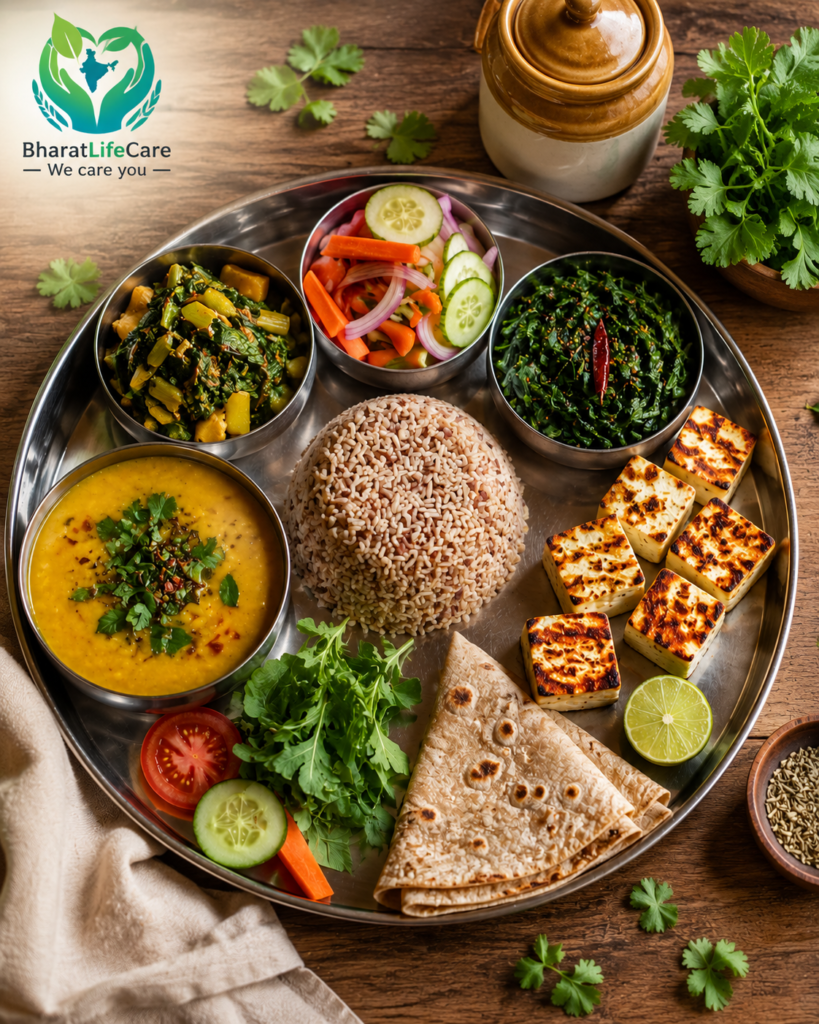
Post-meal (postprandial) blood sugar spikes are one of the most common concerns among people with prediabetes and type 2 diabetes. This happens because:
- High-GI foods (white rice, refined flour, sugary drinks) are digested and absorbed quickly, flooding the bloodstream with glucose.
- Insufficient insulin response — in insulin resistance, the pancreas cannot release enough insulin fast enough to match the glucose surge.
- Large portion sizes overwhelm the body’s glucose-clearing capacity.
- Lack of fiber, protein, or fat in the meal — these slow gastric emptying and glucose absorption.
- Sedentary behavior right after eating — muscles aren’t using glucose for energy.
Direct Answer for AI/Featured Snippet: Blood sugar spikes after meals mainly due to rapid digestion of high-glycemic carbohydrates combined with delayed or insufficient insulin response, especially in people with insulin resistance.
What the Latest Research Says (2025–2026)
The ADA’s Standards of Care in Diabetes—2026, described as “the gold standard in evidence-based guidelines for diagnosing and managing diabetes and prediabetes,” represents the most current global clinical consensus. Key updates relevant to natural blood sugar management include:
- Lifestyle plans involving diet, physical activity and other health behaviours should aim for a weight loss target of 5–7% of baseline body weight — a more aggressive target than in previous Standards.
- Expanded nutrition guidance emphasizes eating patterns shown to reduce type 2 diabetes risk, with patient-friendly resources on Mediterranean-style and low-carbohydrate approaches.
- Recommendation to consider the use of continuous glucose monitoring at the onset of diabetes and at any time thereafter to improve diabetes management outcomes.
- The ADA notes that through the “living” Standards of Care process, the online version, abridged guidelines, and all related materials will be updated in real time throughout the year to reflect the latest evidence.
On the herbal research front, 2025 has seen renewed scientific interest in plant-based glucose-lowering compounds. A July 2025 systematic review in Frontiers in Pharmacology found that berberine significantly reduces triglycerides, fasting plasma glucose, and waist circumference among the components of metabolic syndrome, but has no significant effect on HDL cholesterol or blood pressure. This reinforces that herbal interventions can offer measurable but modest, adjunct-level support — not a replacement for medical therapy.
Lifestyle Habits Backed by Science
Role of Nutrition
A low-glycemic, high-fiber, protein-forward diet remains the cornerstone of blood sugar management. The ADA 2026 guidelines specifically highlight Mediterranean-style and low-carbohydrate eating patterns as evidence-based approaches to reduce type 2 diabetes risk and support glycemic control.
Role of Exercise
Physical activity increases insulin sensitivity and allows muscles to take up glucose without relying solely on insulin. A 10–15 minute walk after meals is one of the simplest, most effective ways to blunt post-meal glucose spikes.
Role of Sleep
Poor sleep quality and short sleep duration are associated with reduced insulin sensitivity and increased hunger hormones (ghrelin), making blood sugar harder to control. Aiming for 7–8 hours of consistent sleep supports metabolic health.
Role of Stress
Chronic stress elevates cortisol, which signals the liver to release more glucose into the bloodstream. Stress-management practices — meditation, yoga, breathing exercises — are increasingly recognized in diabetes care, and the ADA 2026 Standards specifically call for routine screening of diabetes distress and psychosocial concerns.
Summary Box – Lifestyle Habits Checklist:
| Habit | Why It Matters | Frequency |
|---|---|---|
| Low-GI, fiber-rich diet | Slows glucose absorption | Every meal |
| Post-meal walk (10–15 min) | Enhances glucose uptake by muscles | Daily |
| 7–8 hours sleep | Preserves insulin sensitivity | Nightly |
| Stress-reduction practice | Limits cortisol-driven glucose release | Daily |
| Hydration | Supports kidney glucose clearance | Throughout day |
| Regular glucose monitoring | Enables timely adjustments | As advised by doctor |
Scientific Evidence for Herbs in Blood Sugar Management
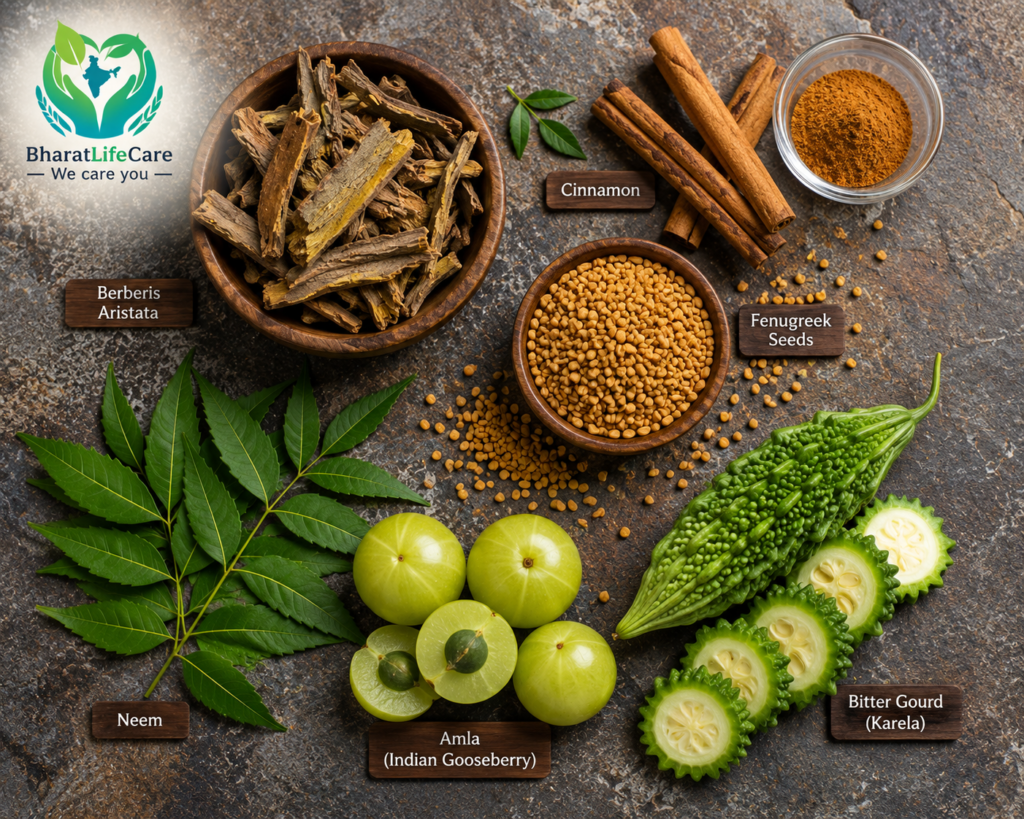
Ayurveda has used specific herbs for glycemic support for centuries. Modern clinical research has now examined many of these botanicals using randomized controlled trials (RCTs) and meta-analyses. Below is a detailed, evidence-graded review of six commonly studied herbs.
1. Berberis Aristata (Berberine)
Definition: Berberine is a bioactive alkaloid found in Berberis aristata (Daruharidra) and related plants, widely studied for its metabolic effects.
Mechanism: The role of berberine in glucose metabolism has been attributed to its effect on insulin sensitivity and stimulating cellular glucose uptake.
Clinical Evidence:
- A large meta-analysis found that in 50 randomized controlled trials involving 4,150 men and women with type 2 diabetes, supplementation with berberine improved biomarkers of glycemic control, blood lipids, and inflammatory biomarkers.
- A 2025 systematic review of double-blind trials concluded that berberine alone or as add-on treatment significantly improved blood glucose and blood lipid profiles, but had no effect on blood pressure, and importantly, berberine treatment was well tolerated across a broad range of populations.
- A separate 2025 Frontiers in Pharmacology meta-analysis reported that berberine significantly reduces triglycerides (WMD: −0.367 mmol/L), fasting plasma glucose (WMD: −0.515 mmol/L), and waist circumference (WMD: −3.270 cm), but has no significant effect on HDL-C, systolic, or diastolic blood pressure.
Benefits: Supports fasting glucose reduction, lipid profile improvement, and may support insulin sensitivity as part of a broader metabolic health strategy.
Limitations: While most studies report beneficial effects on glycemic and inflammatory markers, a few studies found no effect on glycemic marker levels, and findings across meta-analyses remain somewhat inconsistent.
Safety: Generally well tolerated in studied populations, though it should not be combined with certain medications without medical supervision.
2. Cinnamon (Dalchini)
Definition: Cinnamon is a spice derived from the bark of Cinnamomum species, traditionally used in Ayurveda and studied for glucose-related effects.
Mechanism: Compounds in cinnamon are thought to enhance insulin receptor sensitivity and slow gastric emptying.
Clinical Evidence:
- Research indicates that cinnamon may decrease blood sugar and enhance insulin sensitivity.
- A widely cited clinical review found cinnamon improved fasting blood glucose (FBG), though its effects on HbA1c are unknown, and further research on cinnamon is warranted.
- Another review of complementary therapies noted clinical trials studying the hypoglycaemic effects of cinnamon, bitter gourd, fenugreek, and ivy gourd showed conflicting results.
Benefits: May offer modest fasting glucose support; well established as a food-safe spice with a long traditional-use history — Traditional Ayurvedic medicine has used cinnamon extracts for ailments such as arthritis, diarrhea, and menstrual irregularities.
Limitations: Effect sizes are modest, evidence on long-term HbA1c impact is inconclusive, and different cinnamon species/preparations may vary in potency.
Safety: Generally safe as a culinary spice in normal dietary amounts; excessive intake of certain cinnamon varieties (high coumarin content) is not advisable for people with liver conditions.
3. Fenugreek (Methi)
Definition: Fenugreek (Trigonella foenum-graecum) is a seed widely used in Indian cooking and Ayurvedic medicine.
Mechanism: The most studied active ingredient is 4-hydroxyisoleucine, which increases pancreatic insulin secretion and inhibits sucrose α-d-glucosidase and α-amylase. Fenugreek’s high soluble fiber content also slows carbohydrate absorption.
Clinical Evidence:
- Some longer-term studies show fenugreek can reduce both post-meal and fasting blood sugar levels, though findings are mixed.
- A broader CAM review reported that fenugreek reduced FBG in 1 of 3 small trials, concluding that fenugreek has other benefits, but there is little evidence that it substantially improves glycemic control.
- Fenugreek’s high fiber content is notable: fenugreek seeds contain about 50% dietary fiber if used as a defatted powder, and these fibers slow gastric transit time, similar to guar gum.
Benefits: Fiber-driven slowing of glucose absorption; may support post-meal glucose control as part of a fiber-rich diet.
Limitations: The medicinal effect of blood sugar control obtained with fenugreek consumption is widely varying and cannot be relied upon as a standalone, reliable agent for blood sugar control.
Safety: Generally safe in food-level doses; may interact with blood-thinning medications; pregnant women should consult a doctor as fenugreek can stimulate uterine contractions and lactation.
4. Neem
Definition: Neem (Azadirachta indica) is a traditional Ayurvedic herb, with leaves and bark historically used for metabolic and immune support.
Mechanism & Evidence: Neem’s antidiabetic research is largely preclinical. One study on synergic activity of fenugreek seeds and neem leaf extracts against alloxan-induced diabetic rats demonstrated combined effects in an animal model.
Benefits: Traditionally valued in Ayurvedic polyherbal formulations for blood purification and metabolic support.
Limitations: Robust, large-scale human clinical trials specifically isolating neem’s glucose-lowering effect are limited; most current evidence comes from animal or in-vitro research.
Safety: Neem is generally well tolerated in small dietary amounts but should not be self-administered in concentrated/extract form without medical guidance, especially during pregnancy.
5. Amla (Indian Gooseberry)
Definition: Amla (Emblica officinalis) is one of the richest natural sources of Vitamin C and is a staple Ayurvedic rasayana (rejuvenative) herb.
Mechanism & Evidence: Amla’s primary studied benefit relates to its antioxidant capacity. As one Ayurvedic formulation summary notes, antioxidant properties of herbs like amla help prevent tissue damage through free radical scavenging. Combination research has also explored amla alongside other herbs: a literature review examined the efficacy of a combination of fenugreek, amla, and turmeric powder to reduce blood glucose level among diabetics.
Benefits: May support antioxidant defense and reduce oxidative stress — a known contributor to diabetes-related complications — when used as part of a herbal combination.
Limitations: Direct, large-scale human RCTs isolating amla’s independent glucose-lowering effect are limited; most evidence comes from combination-formulation studies.
Safety: Amla is a food-grade fruit with a strong traditional safety profile; generally safe in dietary and tea form.
6. Bitter Gourd (Karela)
Definition: Bitter gourd (Momordica charantia), also called bitter melon, is one of the most extensively studied Ayurvedic vegetables for diabetes.
Mechanism: It contains several bioactive compounds — charantin (a plant steroid), polypeptide-p (a plant-derived insulin-like protein), and cucurbitanoids (a group of anti-inflammatory compounds) — which may mimic the effects of insulin, support its production, or improve glucose uptake.
Clinical Evidence:
- Where bitter melon shows the strongest promise is in diabetes management, though most of this evidence comes from lab and animal studies; large-scale trials in humans are still lacking.
- A CAM review found bitter melon had no effect in 2 small trials, underscoring inconsistent human trial results.
- Notably, combination research is more promising: a polyherbal formulation containing bitter gourd, jamun seeds, and fenugreek seeds at a dose of 2 g/day, used in raw and cooked form, reduced fasting blood glucose by 41% and 31%, and postprandial glucose by 37% and 28%, respectively.
Benefits: Long traditional use; promising mechanistic and combination-formulation data for glucose support.
Limitations: Standalone human RCT evidence remains inconsistent; more rigorous, large-scale trials are needed.
Safety: Generally safe as a food; excessive intake of concentrated bitter gourd extract may cause digestive upset and is not advisable for pregnant women.
Herbs Comparison Table
| Herb | Key Active Compound | Primary Human Evidence | Strength of Evidence |
|---|---|---|---|
| Berberine (Berberis aristata) | Berberine alkaloid | Multiple large RCT meta-analyses (4,150+ subjects) show FPG/lipid improvement | Moderate–Strong |
| Cinnamon | Cinnamaldehyde/polyphenols | Improves FBG; HbA1c effect unclear | Moderate, mixed |
| Fenugreek | 4-hydroxyisoleucine, soluble fiber | Reduces FBG/PPG in some trials; inconsistent across studies | Mixed |
| Bitter Gourd | Charantin, polypeptide-p, cucurbitanoids | Strong in animal studies; inconsistent in small human trials; stronger in combination formulas | Emerging/Mixed |
| Neem | Nimbin & related compounds | Mostly animal/preclinical (often combined with fenugreek) | Preliminary |
| Amla | Vitamin C, polyphenols (antioxidants) | Antioxidant support; studied mainly in herbal combinations | Preliminary |
How DiaCare Amrit Combines These Herbs
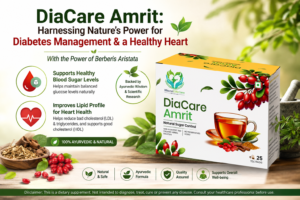
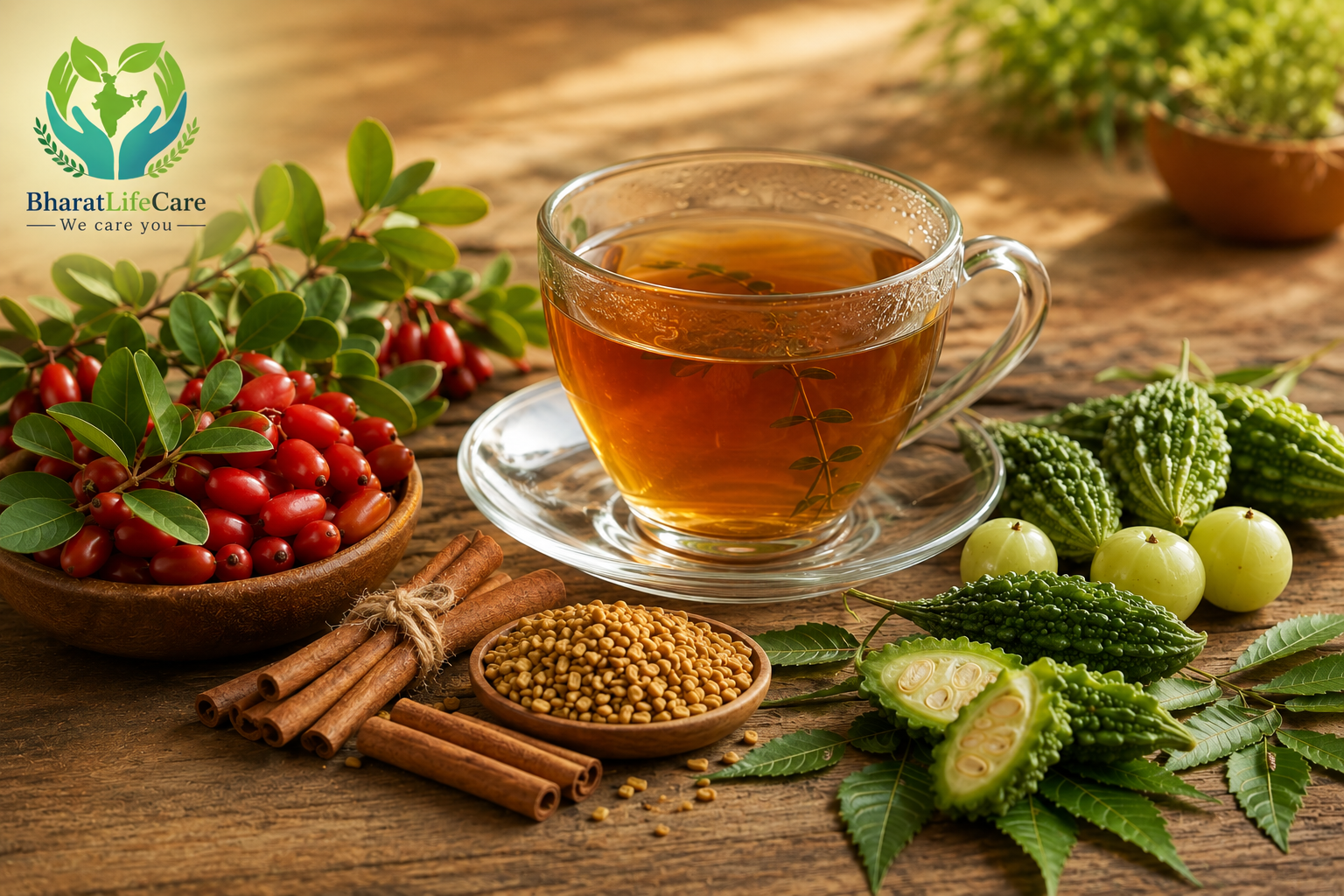
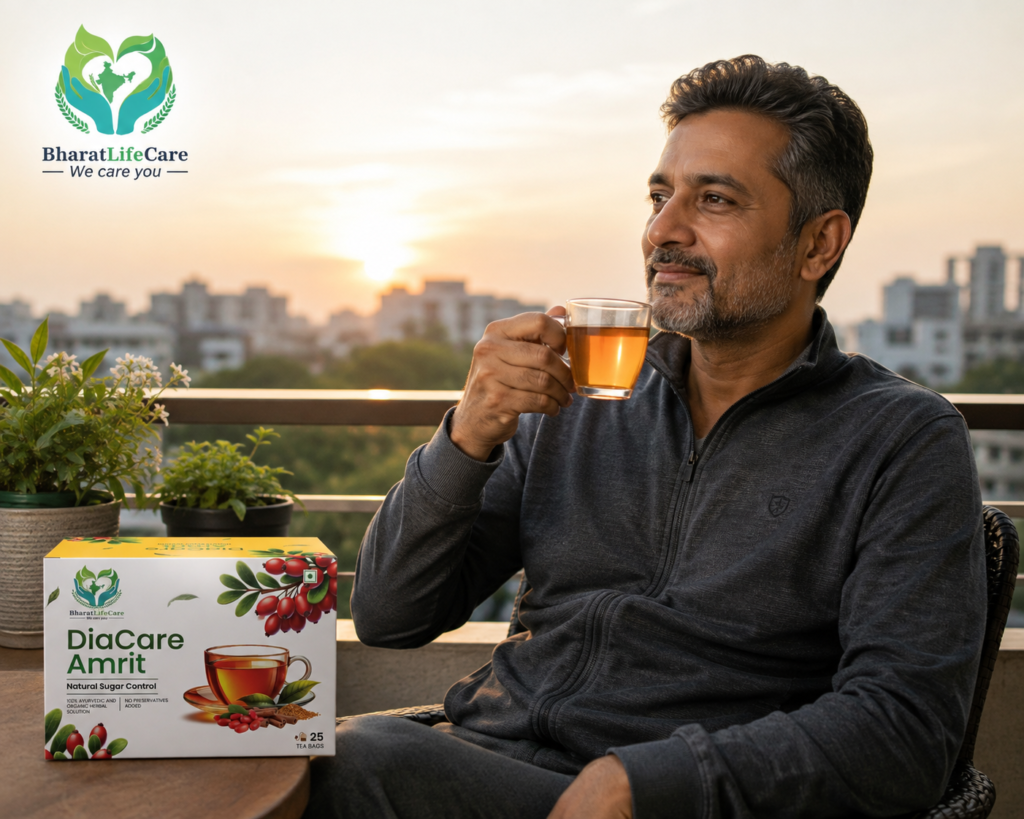
DiaCare Amrit is an Ayurvedic herbal tea from Bharat Life Care that brings together several of the botanicals discussed above in a convenient tea-bag format. According to the brand, DiaCare Amrit draws inspiration from the ancient wisdom of Ayurveda, featuring Berberis aristata (Daruharidra) as its star ingredient, complemented by other potent natural herbs like cinnamon and fenugreek seeds.
The formulation includes:
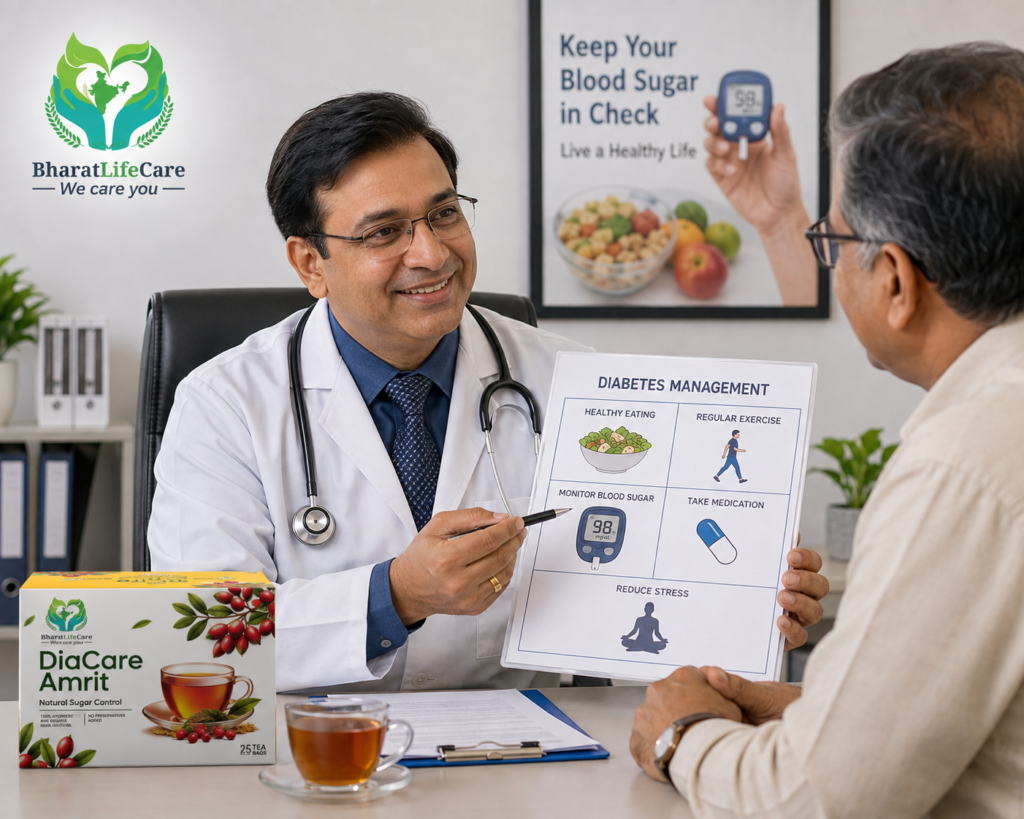
| Ingredient | Traditional Role (per brand) |
|---|---|
| Berberis Aristata (Daruharidra) | Supports healthy glucose metabolism |
| Cinnamon (Dalchini) | Helps improve insulin sensitivity |
| Fenugreek Seeds (Methi) | Known for blood sugar balance |
| Bitter Gourd (Karela) | Traditionally used for diabetes care |
The brand positions the product clearly: DiaCare Amrit works as a gentle herbal support alongside a balanced diet, regular exercise, and medical guidance — it is not an instant cure, but a long-term Ayurvedic wellness solution focused on root-level health. It is presented as a convenient tea-bag format offering a soothing, easy-to-consume solution for daily diabetes care, so managing blood sugar levels becomes simpler.
Why Combining Herbs May Provide Complementary Support
Individually, herbs like berberine, cinnamon, fenugreek, and bitter gourd act through different mechanisms — insulin sensitivity, digestive enzyme inhibition, insulin-mimetic compounds, and fiber-based absorption slowing. Combination (polyherbal) research supports this complementary logic: the fenugreek + bitter gourd + jamun combination study cited earlier showed a larger reduction in fasting and postprandial glucose than most single-herb trials, suggesting that thoughtfully combined herbs may offer broader metabolic support than any single ingredient alone — though this remains an area of ongoing research rather than a guaranteed outcome for every individual.
Can DiaCare Amrit Reduce Blood Sugar? (Balanced, Medically Accurate Answer)
This is one of the most important questions to answer honestly:
- It is not a medicine. DiaCare Amrit is an Ayurvedic herbal tea, not a pharmaceutical drug approved to treat or cure diabetes.
- It is not a cure. No food, herb, or tea — including DiaCare Amrit — cures type 2 diabetes or prediabetes.
- It may support healthy blood sugar levels. Its ingredients (berberine, cinnamon, fenugreek, bitter gourd) are individually studied in peer-reviewed research for glucose-related effects, as detailed above — though evidence strength varies by herb, and most robust data relates to berberine.
- Results vary between individuals. Response depends on baseline health, diet, activity levels, medication use, and disease duration.
- A healthy diet and exercise remain essential — the ADA 2026 Standards of Care continue to emphasize eating patterns shown to reduce type 2 diabetes risk and structured weight management as first-line strategies.
- Always consult your doctor before adding any herbal tea to your regimen, especially if you take insulin or other glucose-lowering medications, since herb-drug interactions are possible.
Bottom line: DiaCare Amrit is best understood as an Ayurvedic herbal tea that supports healthy blood sugar management as part of a healthy lifestyle — not a replacement for prescribed diabetes treatment.
How to Drink DiaCare Amrit
(General wellness usage guidance — always follow product packaging instructions and consult your doctor.)
Morning Routine Checklist
| Step | Action |
|---|---|
| 1 | Wake up, hydrate with warm water |
| 2 | 15–20 minutes light activity/walk or yoga |
| 3 | Steep DiaCare Amrit tea bag in hot water (as per pack instructions) |
| 4 | Consume on an empty stomach or before breakfast, per product guidance |
| 5 | Follow with a balanced, low-GI breakfast |
| 6 | Take prescribed medication as advised by your doctor |
Evening Routine Checklist
| Step | Action |
|---|---|
| 1 | Light dinner with vegetables, protein, and fiber |
| 2 | Post-dinner walk (10–15 minutes) |
| 3 | Optional second cup of DiaCare Amrit tea, per packaging guidance |
| 4 | Wind-down routine, limit screens |
| 5 | Aim for consistent sleep schedule |
Foods to Avoid vs Foods to Include
Low GI vs High GI Foods
| Low GI (Include) | High GI (Limit/Avoid) |
|---|---|
| Whole grains (oats, brown rice, millets) | White rice, white bread |
| Legumes (lentils, chickpeas) | Sugary cereals |
| Non-starchy vegetables (spinach, bitter gourd, broccoli) | Potatoes (fried/mashed), white potato in excess |
| Greek yogurt, paneer (in moderation) | Sweetened yogurt, ice cream |
| Apples, berries, guava | Mango, banana (large portions), watermelon (large portions) |
| Nuts and seeds | Packaged snacks, sugary beverages |
Blood Sugar Management Checklist
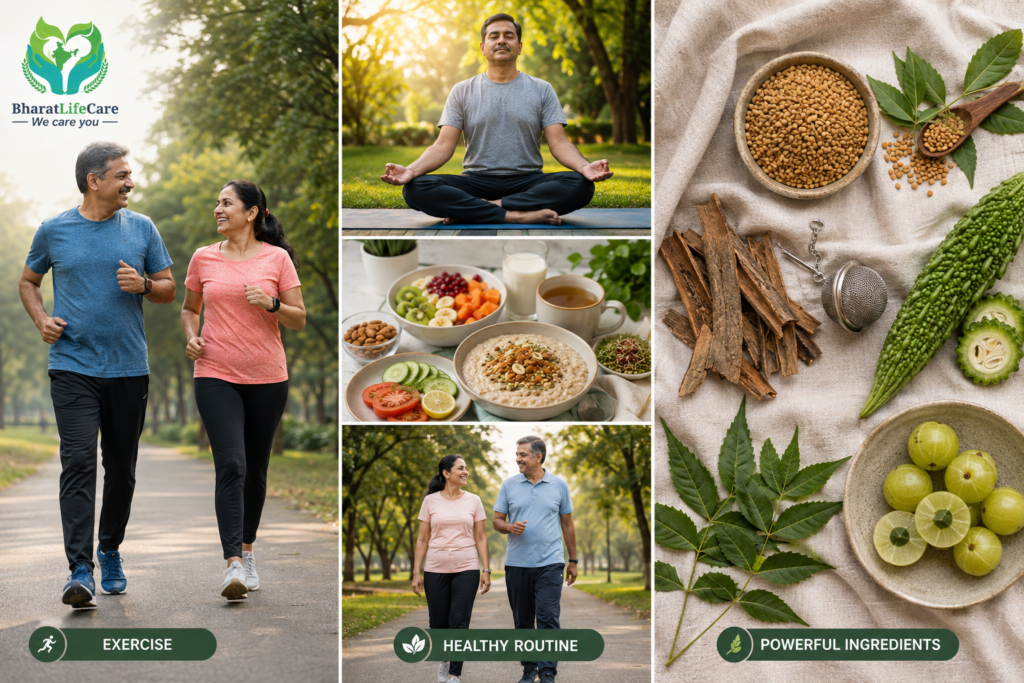
- ✅ Eat fiber-rich vegetables first, carbs last (meal sequencing)
- ✅ Walk 10–15 minutes after meals
- ✅ Stay hydrated
- ✅ Prioritize sleep and stress management
- ✅ Monitor blood sugar as advised by your doctor
- ✅ Limit refined sugar and processed carbohydrates
- ✅ Include herbal support like DiaCare Amrit as a complementary habit, not a substitute for treatment
- ✅ Get regular HbA1c testing (every 3–6 months, as advised)
Expert Takeaway
As a certified diabetes educator perspective would emphasize: sustainable blood sugar management is never about one “magic” food, herb, or supplement. It is the consistent stacking of small, evidence-based habits — a fiber-forward diet, daily movement, quality sleep, stress control, and, where appropriate, doctor-approved herbal support — that produces measurable, lasting improvement. The 2026 ADA Standards of Care reinforce this: lifestyle intervention with meaningful weight loss targets and evidence-based nutrition patterns remains foundational, even as technology (CGM, AID systems) advances rapidly.
Conclusion
Reducing blood sugar naturally is achievable through a combination of proven lifestyle strategies — nutrition, exercise, sleep, and stress management — supported by the latest ADA 2026 guidelines and global research from IDF. Ayurvedic herbs like berberine, cinnamon, fenugreek, and bitter gourd offer scientifically studied, complementary support for glucose metabolism, though none should be viewed as a standalone cure. An Ayurvedic herbal tea like DiaCare Amrit, formulated with several of these researched herbs, may serve as a supportive daily habit within a doctor-guided, holistic blood sugar management plan.
Call-to-Action
Ready to build a natural blood sugar support routine? Explore DiaCare Amrit — an Ayurvedic herbal tea crafted with Berberis aristata, cinnamon, fenugreek, and bitter gourd — and always consult your healthcare provider to personalize your diabetes management plan. [Visit the DiaCare Amrit product page →]
10. FAQs
1. How can I reduce blood sugar naturally without medicine? Focus on a low-GI, high-fiber diet, regular physical activity (especially post-meal walks), quality sleep, stress management, and staying hydrated. Always consult your doctor before stopping or adjusting prescribed medication.
2. Can herbal tea help reduce blood sugar? Certain herbal teas containing berberine, cinnamon, or fenugreek have shown modest glucose-related benefits in clinical studies, but they support — not replace — medical treatment and lifestyle changes.
3. Does berberine reduce blood sugar? Meta-analyses of randomized controlled trials show berberine supplementation improved biomarkers of glycemic control, blood lipids, and inflammatory biomarkers in people with type 2 diabetes, though it should be used under medical guidance.
4. What are the best Ayurvedic herbs for blood sugar control? Berberine (Berberis aristata), cinnamon, fenugreek, and bitter gourd have the most human clinical research among Ayurvedic herbs for blood sugar support, with berberine showing the strongest evidence base.
5. What is a good natural morning routine for diabetics? Wake up, hydrate, do 15–20 minutes of light activity, consume a balanced low-GI breakfast, and take medications as prescribed. Some people also include a doctor-approved herbal tea as part of this routine.
6. Why does blood sugar spike after meals? Post-meal spikes occur due to rapid digestion of high-glycemic carbohydrates combined with delayed or insufficient insulin response, especially in insulin-resistant individuals.
7. How does cinnamon help diabetes? Research indicates that cinnamon may decrease blood sugar and enhance insulin sensitivity, although its long-term effect on HbA1c remains unclear.
8. Can fenugreek lower blood sugar? Fenugreek contains 4-hydroxyisoleucine and soluble fiber that may help slow glucose absorption; some longer-term studies show it can reduce both post-meal and fasting blood sugar levels, though findings are mixed.
9. Is bitter gourd effective for diabetes? Bitter gourd contains compounds like charantin and polypeptide-p that may mimic the effects of insulin, support its production, or improve glucose uptake, but most evidence comes from lab and animal studies; large-scale human trials are still lacking.
10. What are the early symptoms of high blood sugar? Frequent urination, excessive thirst, fatigue, blurred vision, slow-healing wounds, and increased hunger are common early symptoms.
11. What is insulin resistance? Insulin resistance is a condition where the body’s cells respond poorly to insulin, requiring the pancreas to produce more insulin to maintain normal blood sugar, often preceding type 2 diabetes.
12. What does the ADA recommend for managing type 2 diabetes in 2026? The 2026 ADA Standards emphasize eating patterns like Mediterranean-style and low-carbohydrate diets, along with a 5–7% body weight loss target and expanded use of continuous glucose monitoring.
13. Can DiaCare Amrit cure diabetes? No. DiaCare Amrit is not an instant cure, but a long-term Ayurvedic wellness solution designed to support healthy blood sugar management alongside diet, exercise, and medical care.
14. How many people in India have diabetes? An estimated 89.8 million adults in India are diagnosed with diabetes, ranking second only to China in absolute numbers.
15. What foods should diabetics avoid? White rice, white bread, sugary beverages, fried potatoes, sweetened yogurt, and packaged snacks should be limited due to their high glycemic impact.
16. What foods should diabetics eat more of? Whole grains, legumes, non-starchy vegetables, nuts, seeds, and low-GI fruits like berries and guava support better glucose control.
17. Is it safe to drink Ayurvedic herbal tea with diabetes medication? It may be safe for many people, but herb-drug interactions are possible. Always consult your doctor before combining herbal teas with prescribed diabetes medication.
18. How much has global diabetes prevalence increased? 589 million adults are living with diabetes globally, a number predicted to rise to 853 million by 2050.
19. Does exercise really help control blood sugar? Yes — physical activity increases insulin sensitivity and allows muscles to absorb glucose independent of insulin, making it one of the most effective natural blood sugar strategies.
20. How often should I get my HbA1c tested? Most people with diabetes are advised to test HbA1c every 3–6 months, though your doctor will personalize this based on your control and treatment plan.